
Port of Houston Bayport Container Terminal, Wharves 4 and 5 Upgrades, Seabrook, TX
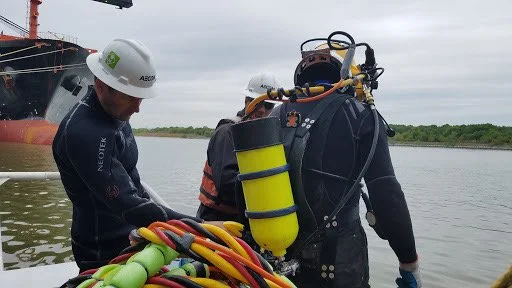
Task Manager / Team Lead / Dive Supervisor / Engineer-Diver
Client: Port Houston Authority (PHA)
Project: Bayport Container Terminal – Wharf 4 and Wharf 5 Upgrades
Location: Seabrook, Texas
Duration: 2018–2020
Project Background
Port Houston Authority initiated upgrades to the Bayport Container Terminal to accommodate new, larger ship-to-shore container cranes serving vessels up to approximately 18,000 TEU. The project included engineering analysis, rehabilitation, and strengthening of Wharf 4 and Wharf 5, along with limited construction phase support services.
Wharves 4 and 5 consist of six independent wharf sections. Each section is approximately 332 feet long and 120 feet wide and is supported by 36-inch-diameter drilled shafts, reinforced concrete pile caps, crane rail beams, and a reinforced concrete deck. The mudline slope beneath the wharf is protected by an articulated interlocking concrete mat system.
Condition Assessment
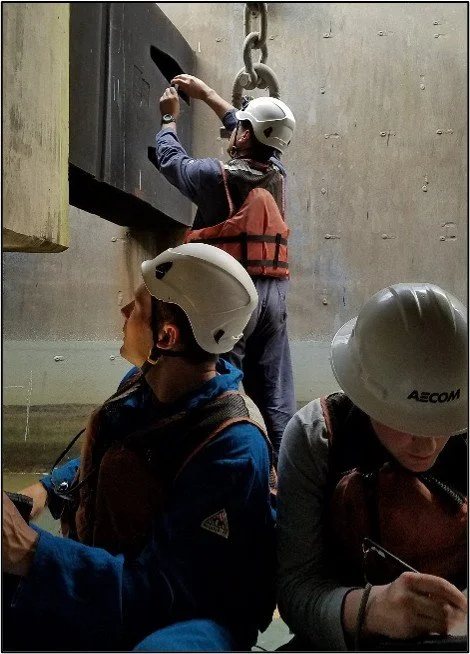
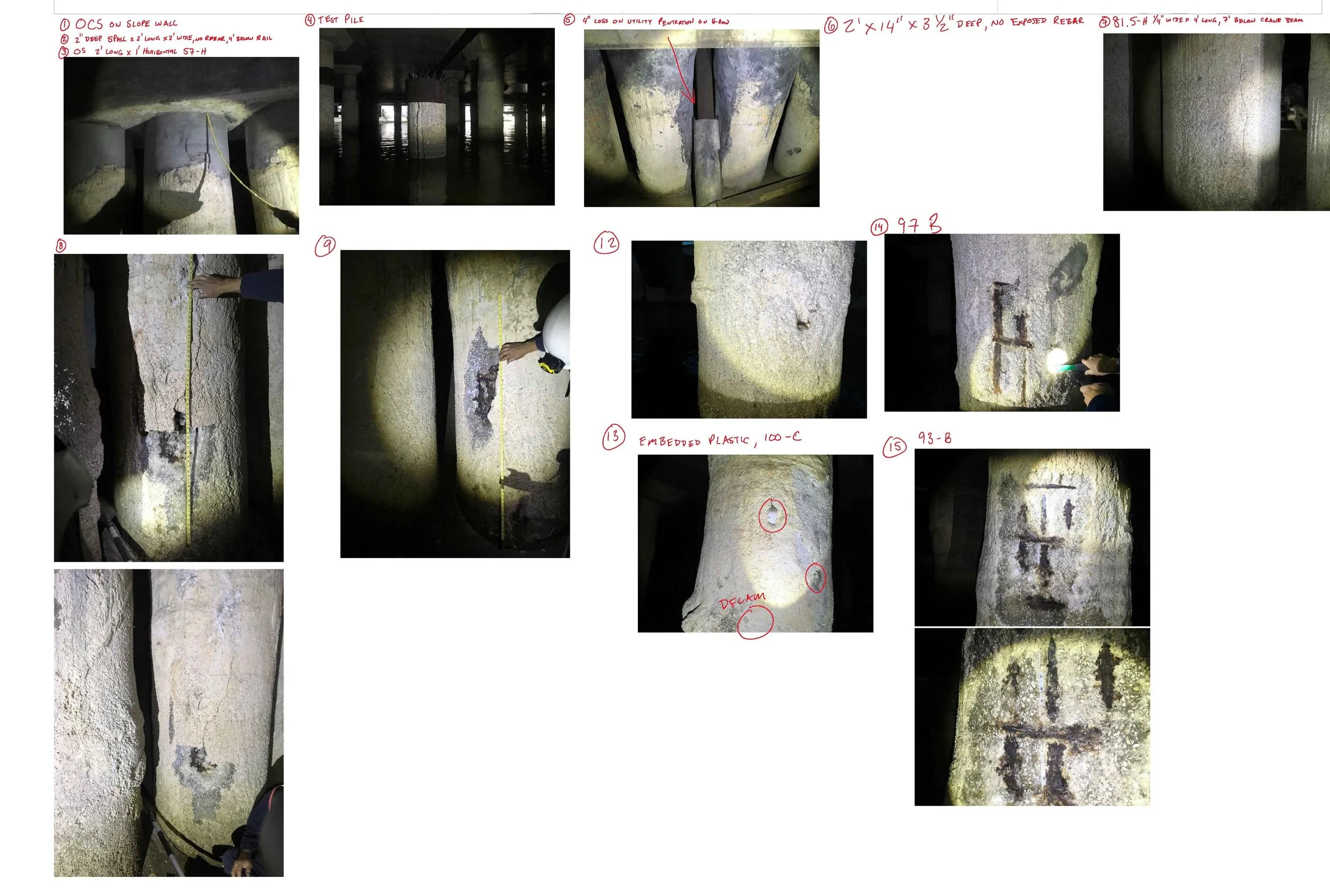
While employed by AECOM, Anthony T. Mets, P.E. served as a Discipline Lead, leading the above-water and underwater structural inspection and condition assessment of approximately 2,300 linear feet of container wharf.
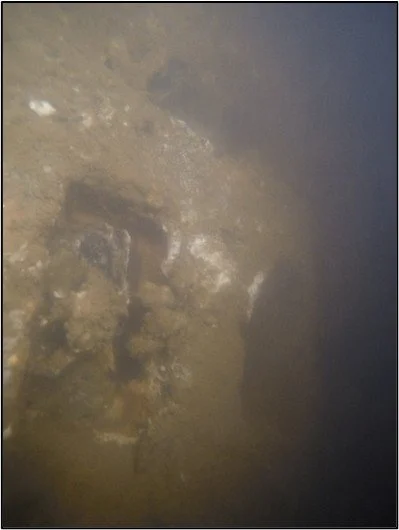
Inspections were performed in accordance with ASCE Manual of Practice No. 130, Waterfront Facilities Inspection and Assessment (2015). All underwater inspections were conducted using surface-supplied air systems in compliance with OSHA 29 CFR 1910 Subpart T and ADCI Consensus Standards. Particular emphasis was placed on inspection of the articulated interlocking concrete mat system to confirm adequate protection of the mudline slope.
Rehabilitation Analysis and Strengthening Design
Following completion of the condition assessment, structural analyses were performed to evaluate the capacity of the wharves to accommodate increased crane loads associated with the new ship-to-shore (STS) cranes. A berthing and mooring analysis was also conducted to assess potential increases in vessel-induced loads.
The results of these analyses were used to determine the need for structural strengthening and rehabilitation measures. Repair concepts and design recommendations were developed based on the condition assessment findings, and construction phasing considerations were incorporated into the development of design documents (PS&E). Mr. Mets also provided limited construction phase support services in support of project implementation.
This project was performed by Anthony T. Mets, P.E. while employed by another engineering firm. It is included here to illustrate relevant professional experience and does not represent work performed by Thalassa Technology and Engineering.